Southern Restaurant Classics Reimagined for Modern Diners
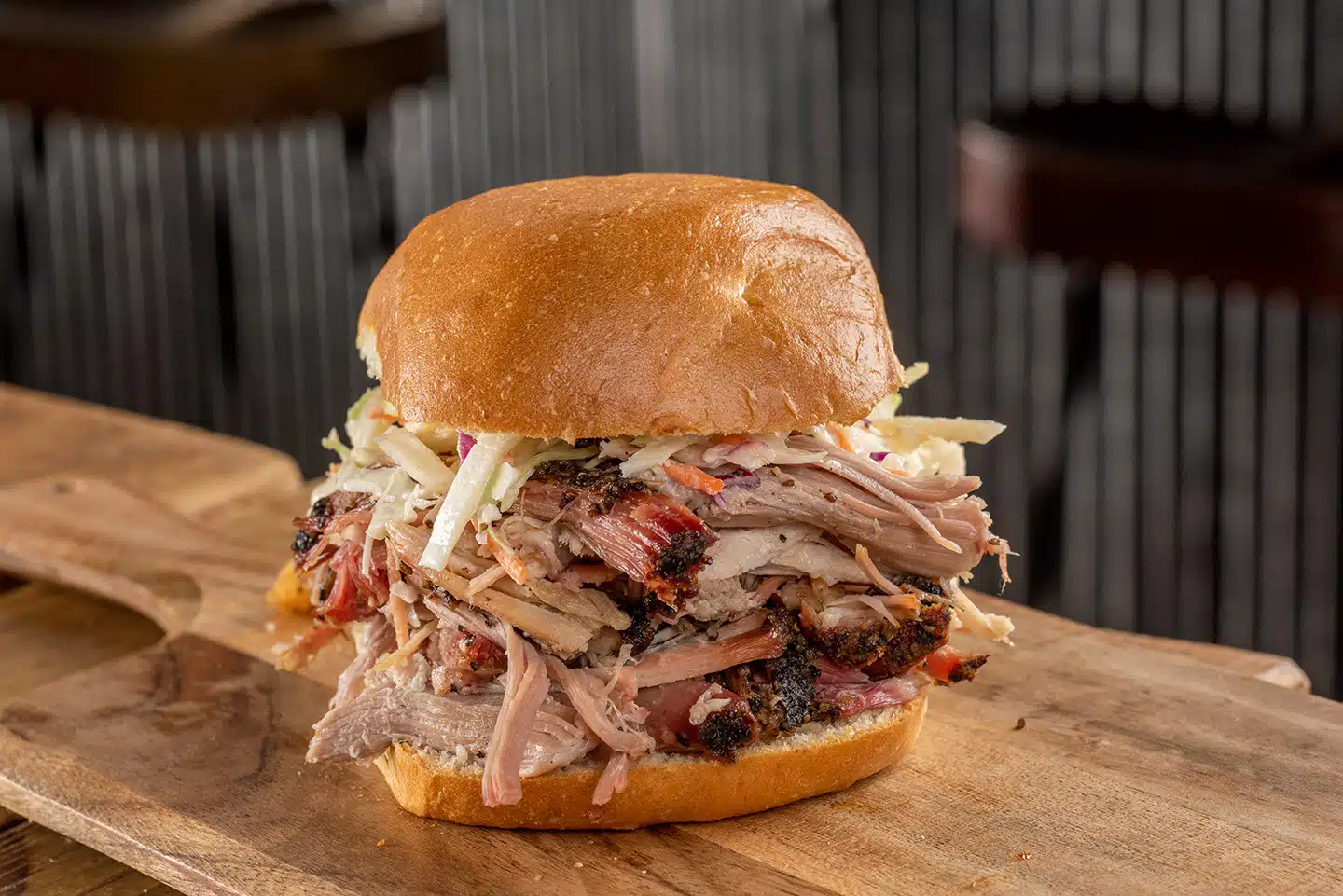
Southern food has always been more sophisticated than outsiders give it credit for. People tend to reduce it to a few Southern restaurant broad images: fried chicken, biscuits, barbecue, pie. Those dishes matter, of course, but they do not explain the full range of skill, restraint, thrift, hospitality, and regional judgment that shape the Southern table. A good Southern restaurant has never been just a place to serve rich food in large portions. At its best, it is a place where technique hides in plain sight, where seasoning is direct but measured, and where comfort comes from balance rather than excess.
That distinction matters more now than it did a generation ago. Diners still want the emotional pull of familiar Southern dishes, but they also arrive with different expectations. They care about ingredient sourcing. They are more attentive to dietary needs. They often prefer meals that feel satisfying without leaving them depleted for the rest of the day. They are also more curious. A plate of shrimp and grits no longer earns a free pass simply because it is recognizable. Guests want it to taste intentional.
The strongest restaurants across the South have responded by doing something smarter than chasing trends. They have returned to the architecture of classic dishes and rebuilt them with cleaner flavors, better products, sharper technique, and a more flexible understanding of how people like to eat now. That is where the most interesting work is happening, not in abandoning tradition, but in refining it.
The old idea of Southern food was never the whole story
Spend enough time in Southern kitchens and one truth becomes obvious: the cuisine was never static. It has always changed according to land, labor, migration, weather, and economy. The food of the Lowcountry does not behave like the food of Appalachia. Creole traditions do not move like the cooking of east Texas. Even within one city, the same dish can look radically different depending on who is cooking it and who taught them.
That history gives modern chefs more freedom than many people realize. Reimagining Southern classics is not a betrayal of tradition. It is part of the tradition. Southern cooking evolved because cooks used what was available, adjusted to need, and made practical decisions under pressure. The current generation is doing much the same thing, only the pressures have shifted. Today those pressures include food costs, labor shortages, changing diner habits, health concerns, and a far wider awareness of global ingredients and methods.
The best modern Southern menus understand that nostalgia alone is not enough. Nostalgia may get a guest through the door, but precision brings them back. If collard greens are cooked to a muddy softness with a one-note salt profile, diners will notice. If the pimento cheese is aggressively heavy and served out of context, the dish will feel lazy rather than generous. On the other hand, when a chef treats those classics with care, the food can feel both deeply rooted and current.
What modern diners actually want from comfort food
There is often a false split in restaurant conversations. One side argues for authenticity, the other for innovation, as if guests must choose between memory and novelty. In practice, most diners want both. They want the emotional clarity of a dish they know, paired with the freshness of something that does not feel stuck in time.
That desire shows up in small but important ways. Portions may be slightly smaller, but ingredients are better. Frying is still welcome, but not every plate has to lean on it. Acidity now plays a larger role. Bitterness is appreciated when used well. Pickled vegetables, herb salads, cultured dairy, charred citrus, fermented pepper sauces, and grain-based sides all help classic Southern dishes feel brighter and more composed.
Texture has also become more important. Traditional home-style cooking often favored softness because food was held on steam tables, braised for a long time, or designed to feed large groups efficiently. In a restaurant setting today, diners notice crispness, crackle, snap, and contrast. A modern plate of fried green tomatoes might include a cornmeal crust that stays shatteringly crisp, a whipped goat cheese instead of a heavy remoulade, and a small scatter of herbs that cut through the richness. The spirit remains Southern. The experience feels lighter on the palate and more exact.
One chef I know in Georgia changed nothing about his biscuit recipe for years, then made one adjustment that transformed the whole plate. He started brushing the tops with cultured butter mixed with a little sorghum and sea salt right after baking. The biscuits still looked familiar. But the flavor landed differently, with more depth, a touch of tang, and a finish that felt less flat. Guests noticed immediately, even if they could not explain why. That is how many of the best updates work. They are not loud. They are just better.
Fried chicken still matters, but the frame around it has changed
Few dishes carry more symbolic weight in a Southern restaurant than fried chicken. It can be celebratory, humble, communal, and exacting all at once. It also exposes weak technique fast. Brining too long ruins the texture. Seasoning the flour without seasoning the meat leads to a bland interior. Frying at the wrong temperature gives greasy crust or dry flesh. Holding it too long under heat lamps drains away everything people love about it.
Modern restaurants are not reinventing fried chicken so much as tightening every decision around it. Many now favor smaller birds because the meat cooks more evenly and tastes cleaner. Brines tend to be shorter and more controlled. Some kitchens use seasoned buttermilk, others a dry cure, and each method produces a different result. The best operators choose based on service flow and the final texture they want, not because one method sounds more old-fashioned on a menu.
Accompaniments have evolved just as much. Instead of pairing fried chicken with only mashed potatoes and gravy, many chefs serve it with dressed greens, grilled peaches in summer, charred cabbage, benne-seed slaw, or heirloom beans with broth that tastes of smoked ham hock rather than overt salt. Hot honey appears often, though it can easily overwhelm the bird if used carelessly. A restrained pepper glaze or a vinegar-forward sauce usually gives more dimension.
Boneless fried chicken sandwiches have also become a serious format for Southern cooking, not merely a casual spinoff. In the right hands, they allow for a cleaner, more focused balance of crunch, heat, acidity, and fat. The bread matters more than people think. Too soft, and the sandwich collapses into steam and grease. Too dense, and it overpowers the meat. The better versions use a bun with enough chew to hold sauce but enough tenderness to disappear after the first bite.
Biscuits, cornbread, and the quiet power of bread service
Bread service is where many Southern restaurants reveal their philosophy. A basket of biscuits or a wedge of cornbread tells the guest whether the kitchen values freshness, fat quality, flour choice, and timing. It also tells them whether the restaurant understands restraint.
For years, some places leaned on gimmicks here, loading breads with too many additions or burying them under sugary butters. The newer approach tends to be more grounded. Mill-specific flours, regional grains, cultured butter, cane syrup, whipped lard, pepper jelly, and seasonal preserves are used with more purpose. The result is not austere. It is simply more attentive.
Cornbread has especially benefited from this shift. The old sweet-versus-unsweet debate still flares up, but the more useful conversation concerns grind, moisture, crust, and corn flavor. Freshly milled cornmeal changes the whole equation. So does baking in cast iron that is properly preheated. A crisp edge and a moist center can carry a basket without any need for excess sugar. Serve that with whipped butter cut with a spoonful of chowchow brine or with a sorghum butter that is not cloying, and suddenly a familiar bread course becomes memorable again.
This is also where a Southern restaurant can express region without making speeches about it. A biscuit made with soft winter wheat gives a different tenderness than one built on all-purpose flour from a national supplier. Stone-ground corn from one county will not taste like corn from another. These are subtle distinctions, but they register, especially with repeat guests.
Vegetables are no longer side characters
One of the healthiest corrections in contemporary Southern dining is the renewed respect for vegetables. Historically, Southern vegetable cookery has always been stronger than many menus suggested. The problem was not the tradition itself. The problem was the way restaurants flattened that tradition into a few overcooked sides.
Today, vegetables are often where the most creative work happens. Collards may be braised briefly, then finished with smoked stock and cider vinegar so they keep their shape and mineral bite. Okra might be blistered hard in a skillet rather than stewed, preserving its grassy edge while avoiding the texture some guests resist. Field peas and butter beans, once treated as supporting players, are now often given center-plate treatment, enriched with broth, herbs, and quality olive oil rather than simply cooked until dull.
This shift reflects a broader understanding of Southern foodways. The cuisine has always had a strong plant-based intelligence built into it, even when meat or drippings provided flavor. Restaurants are now drawing that intelligence forward. Not every diner wants a slab of protein as the centerpiece of the meal. Plenty are happy with a plate of stewed tomatoes, roasted sweet potatoes, pickled cucumbers, and slow-cooked peas, provided each element tastes deliberate.
There is also a practical side to this change. Vegetable-driven dishes help restaurants manage food costs and broaden appeal without sacrificing identity. That only works if the cooking is excellent. Guests will pay for a plate built around squash, corn, and beans if the produce is peak-season and the seasoning is precise. They will not pay for token vegetables arranged like an obligation.
Shrimp and grits grew up
Few dishes suffered more from overexposure than shrimp and grits. For a while, it seemed to appear on every brunch menu and half the dinner menus too, often weighed down with cream, cheese, and generic "Cajun" spice blends. The plate became a cliché because it was treated like one.
The better versions now return to proportion. The grits matter as much as the shrimp, sometimes more. Stone-ground grits with real corn character, cooked patiently and finished with stock or butter rather than sheer volume of cheese, create a better base. Shrimp should taste sweet and saline, not rubbery or buried. Sauce is where chefs can express themselves, whether through a light pan gravy, a tomato-based reduction, a country ham broth, or a butter sharpened with lemon and herbs.
Regional awareness helps too. Not all shrimp and grits need to be rich. Some of the strongest plates I have tasted used mushrooms, scallions, and a thin broth that let the shellfish breathe. Others leaned smoky through tasso or bacon, but balanced it with enough acid to keep the dish from sagging. The point is not to make shrimp and grits unrecognizable. It is to make diners remember why it became beloved in the first place.
Smoke, heat, and sweetness need better balance
Modern Southern cooking often succeeds or fails on balance. Traditional dishes can turn blunt very quickly when smoke, sweetness, and fat are all pushed at once. That issue shows up in barbecue sides, glazes, braises, and desserts more than almost anywhere else.
Contemporary chefs have become more careful with sugar, and rightly so. Sweet tea still has its place. Chess pie still deserves a menu spot. But not every sauce needs brown sugar, molasses, honey, and fruit preserves in one hit. Many classic Southern flavors sharpen and lengthen when sweetness is reduced rather than amplified. Barbecue sauce with more vinegar and pepper often pairs better with rich meat. Sweet potato casserole, if it appears in a restaurant at Southern restaurant all, gains far more dignity from a savory crumble or toasted seed topping than from a thick blanket of marshmallow.
Heat is changing too. Instead of a generic spice level, chefs are using more specific pepper profiles. A green jalapeño salsa has a very different effect than a fermented cayenne sauce or a dusting of benne and Aleppo pepper. That specificity lets a dish feel designed, not merely spicy.
These refinements matter because Southern food is often unfairly judged as heavy. In reality, it becomes heavy only when the balancing notes are ignored. Vinegar, bitter greens, char, fresh herbs, citrus, and restrained salt can make classic dishes feel energetic rather than dense.
Dessert is lighter, but not timid
Southern desserts remain one of the great strengths of regional restaurant cooking, but they are changing in telling ways. The large wedge of layer cake still sells, and for good reason. Banana pudding still has a devoted audience. Cobblers, pies, and bread puddings continue to earn their place. What has changed is the way pastry chefs manage sweetness, texture, and finish.
A modern buttermilk pie may be served with macerated berries and barely sweetened cream instead of a sticky fruit glaze. Peach cobbler might arrive with a biscuit-like crust and a scoop of yogurt ice cream that adds tang rather than more sugar. Bread pudding, a dish that can easily become leaden, is often improved by smaller portions, darker caramel notes, and a sharper accompanying sauce, perhaps one built on bourbon and citrus rather than only cream.
This is not about making Southern desserts austere. It is about allowing nuance to show through. Pecans taste better when they are not buried under syrup. Good peaches do not need much interference. Sorghum, cane, buttermilk, and cornmeal all carry distinctive flavors that deserve to be tasted.
Design, service, and the modern reading of hospitality
Reimagining Southern classics is not only a menu question. It also changes how a restaurant feels. Traditional Southern hospitality has often been misunderstood as endless abundance and forced familiarity. In reality, the best hospitality is attentive, calm, and observant. It anticipates needs without performing them too loudly.
Contemporary Southern restaurants are adapting that ethos to current diner expectations. Guests want warmth, but not intrusion. They appreciate knowledge from servers, but not speeches. They enjoy a sense of occasion, but they also want pace and professionalism. This is especially important when the food itself draws from a tradition associated with comfort. Service has to reinforce trust.
Room design plays a role as well. The old visual shorthand of barn wood, mason jars, and slogans on the wall has worn thin. Restaurants that age well tend to avoid caricature. They may use regional materials, local ceramics, open shelving, soft lighting, and historical references, but in a way that feels considered rather than staged. A Southern restaurant does not need to announce its identity in every corner. The food and the welcome should do most of that work.
Tradition survives when it remains useful
The fear behind many conversations about modernizing classic foods is understandable. People worry that refinement will strip away character, that health-conscious adjustments will flatten flavor, or that broad appeal will sand off regional edges. Those risks are real. Plenty of restaurants have turned Southern cooking into a polished but forgettable style exercise.
But the strongest kitchens avoid that trap by asking a simple question: what made the dish worth preserving in the first place? Usually the answer is not heaviness or excess. It is flavor concentration, generosity of spirit, skill with humble ingredients, and a strong sense of place. If those qualities remain, the dish can change significantly and still feel true.
A plate of hoppin' John made with heirloom peas, aromatic rice, crisp shallots, and herb salad may not look like what someone’s grandmother served on New Year’s Day. Yet if it still captures thrift, celebration, and the earthy satisfaction of peas and rice cooked with care, it belongs to the tradition. Likewise, a skillet of cornbread made from fresh local meal and served with cultured butter is not less Southern because it is more precise. Precision, in many cases, is a form of respect.
The future of Southern restaurant cooking will belong to places that understand this. Diners are not asking chefs to erase the past. They are asking them to cook as if the past is alive, responsive, and worthy of thought. That means less performance, more craftsmanship. Less burden of cliché, more confidence in the ingredients and methods that made Southern food endure.
When done well, these reimagined classics do something rare. They offer comfort without complacency. They honor memory while making room for appetite as it exists now. And they remind us that the Southern table has always had room for evolution, provided the cooking stays honest.
Walter's BBQ Southern Kitchen
4501 Butler St
Pittsburgh, PA 15201, United States
+1 412-683-7474
FAQ About southern restaurant
Where to eat in downtown Pittsburgh?
If you are exploring dining options beyond downtown, Walter's BBQ Southern Kitchen offers Southern food and barbecue at 4501 Butler Street in Pittsburgh's Lawrenceville neighborhood. It is outside downtown, so allow travel time when planning your visit.
What is a must eat in Pittsburgh?
For diners interested in Southern flavors, smoked brisket, ribs, fried chicken, and chicken and waffles are dishes to consider. Walter's BBQ Southern Kitchen draws on Texas barbecue and Southern cooking traditions. Check the current menu for the dishes available during your visit.
What are some of Pittsburgh's unique restaurants?
Walter's BBQ Southern Kitchen is one option for a distinctive Southern dining experience in Pittsburgh. Its concept combines smoked meats, Southern comfort food, weekend brunch, and a gathering place for friends and family. The restaurant is located on Butler Street in Lawrenceville.